






Тень
Главная/Продукция/Downhole Tool Rubber Components

Downhole Tool Rubber Components: An In-Depth Guide to Properties and Applications

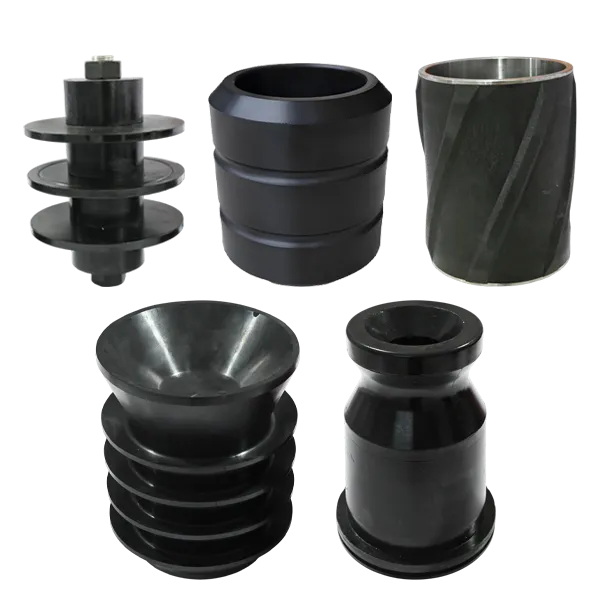
Downhole tool rubber components are critical sealing and protective elements used in various downhole tools for drilling, well completion, testing, fracturing, and oil production operations. By leveraging elastic deformation, pressure adaptability, and inherent material properties, these components fulfil essential functions — including fluid isolation, wellbore sealing, support, guidance, or wear protection.

Specifically, downhole tool rubber components refer to elastomer-based sealing or non-sealing elements installed on downhole tools (e.g., packers, bridge plugs, etc.). Their primary roles include sealing, zonal isolation, fluid flow control, and protection of metallic parts from mechanical damage or chemical degradation.

Operating under high pressure, high temperature, and corrosive media environments, these rubber components must exhibit excellent resistance to oils, acids, alkalis, aging, and high mechanical stress. Commonly used elastomeric materials include hydrogenated nitrile rubber (HNBR), fluororubber (FKM), and polyurethane (PU), with material selection tailored to specific downhole service conditions.

Contact Us More Information
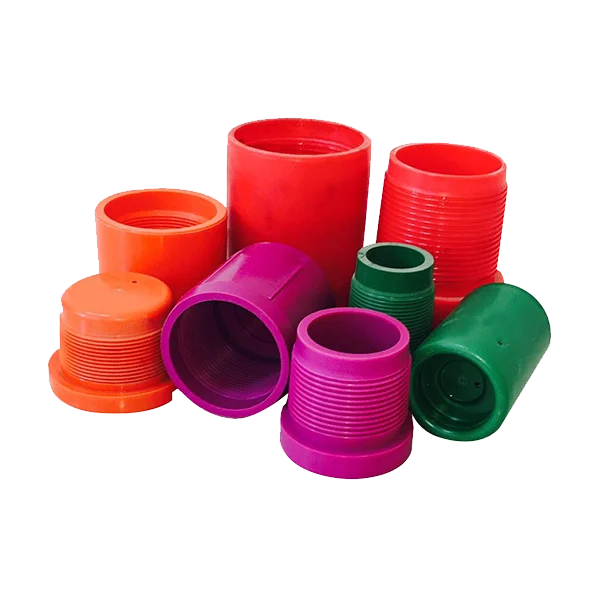
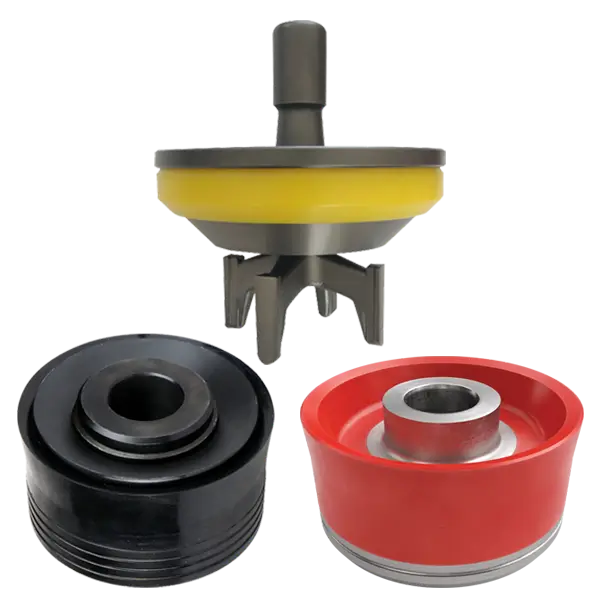
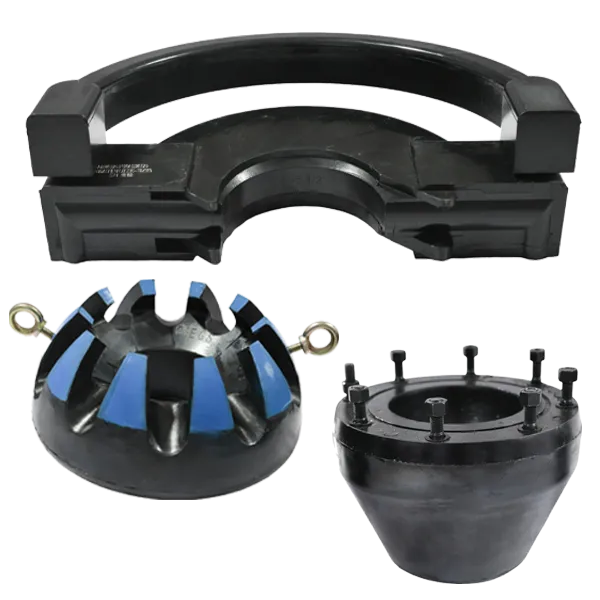
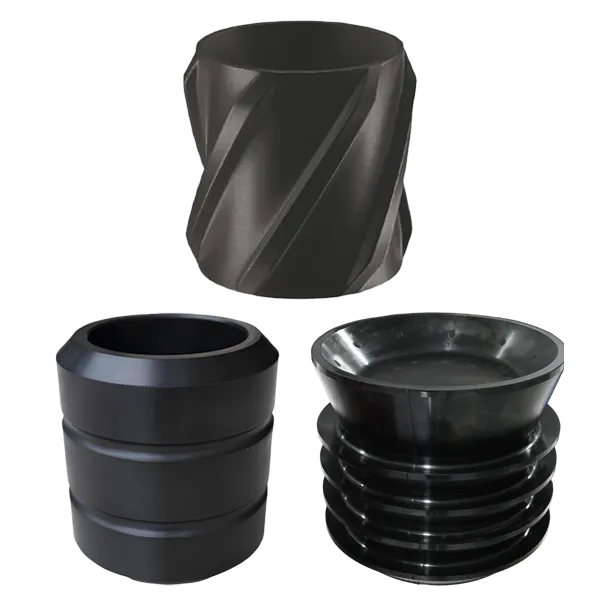
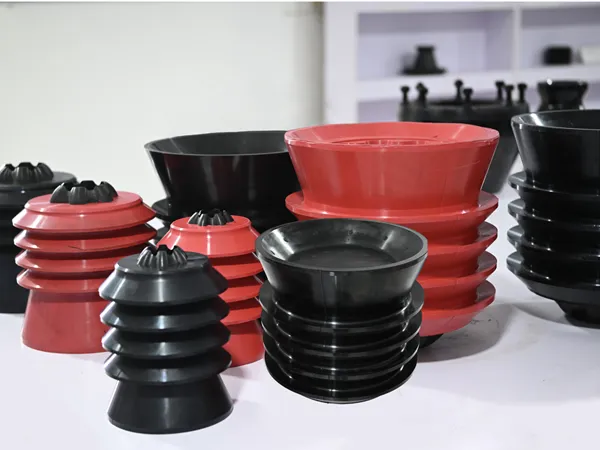
Various downhole tool rubber components against a white background

Categories

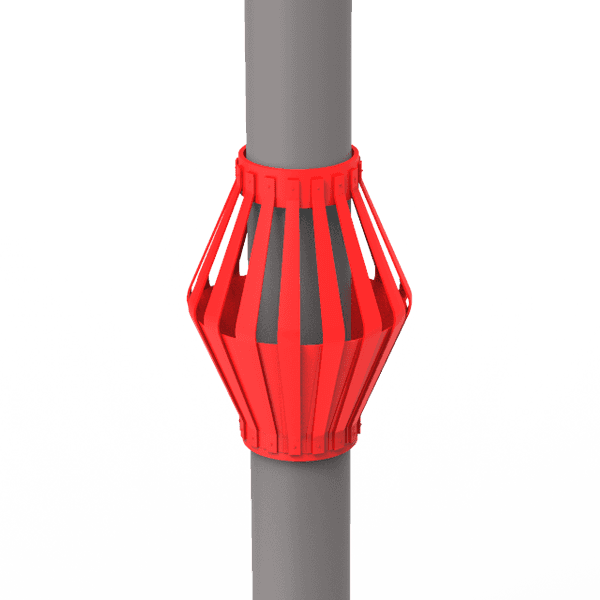
  • Rubber centralizer against a white background

    DWT-01-RC

  • Packer rubber element against a white background

    DWT-02-PR

  • Rubber cementing plug against a white background

    DWT-03-RCP

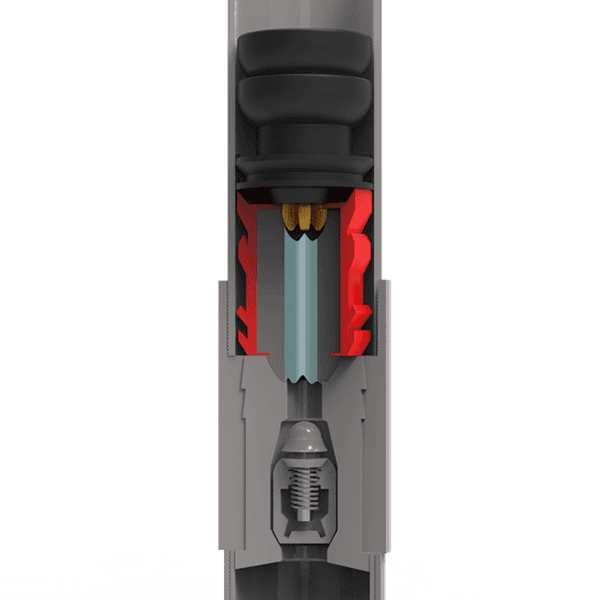
  • Wiper plug drill pipe dart against a white background

    DWT-04-WPD

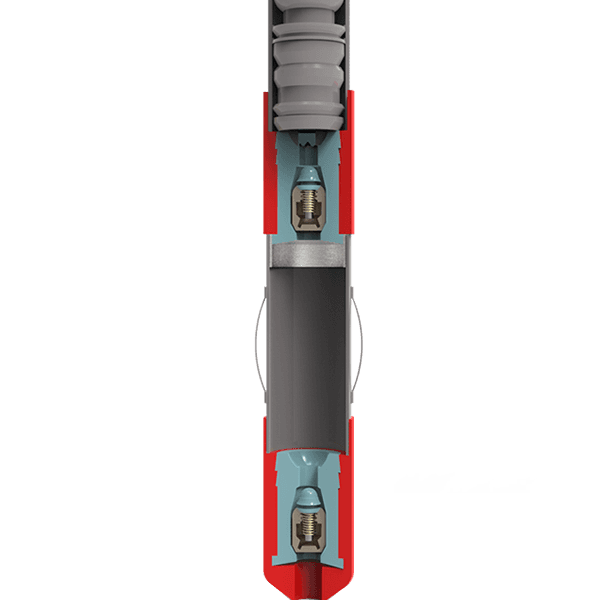
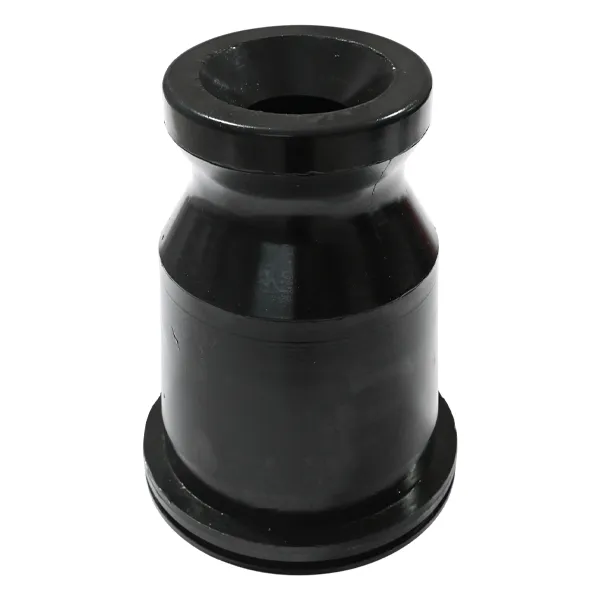
  • Self-sealing rubber core against a white background

    DWT-05-SERC

Rubber Centralizer

Rubber centralizer against a white background DWT-01-RC

Rubber Centralizer

DWT-01-RC

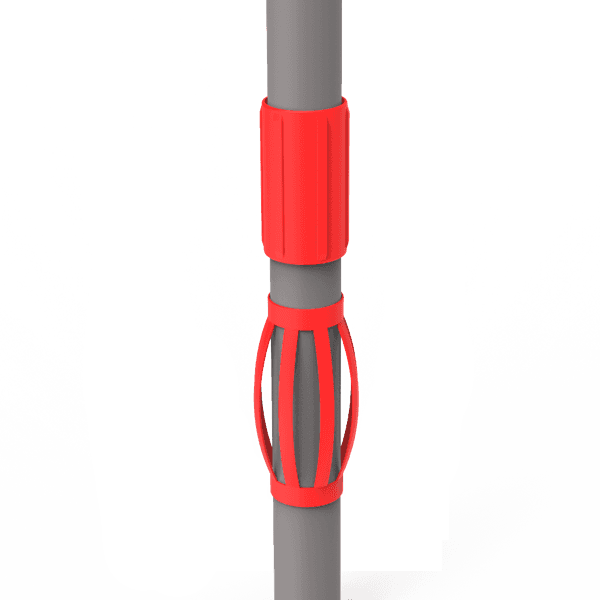
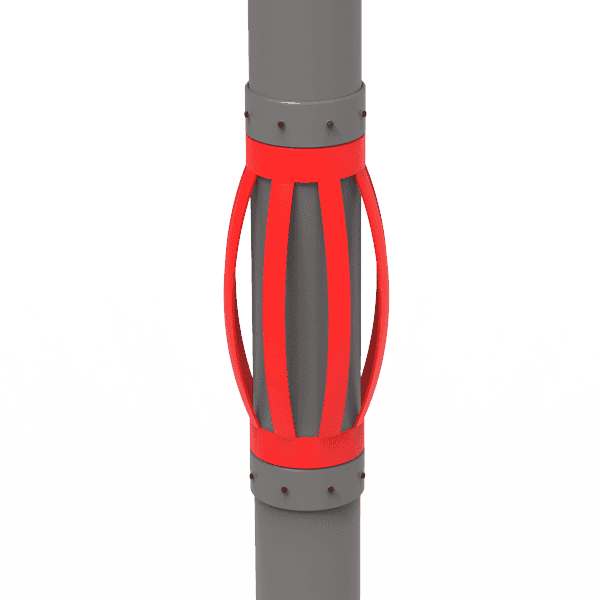
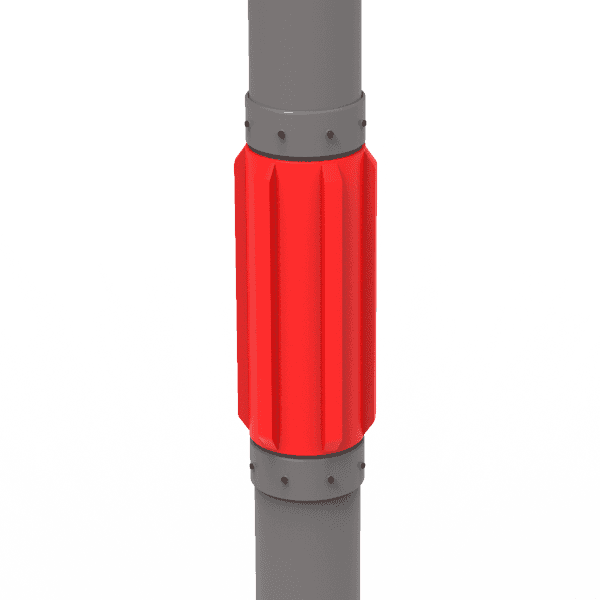
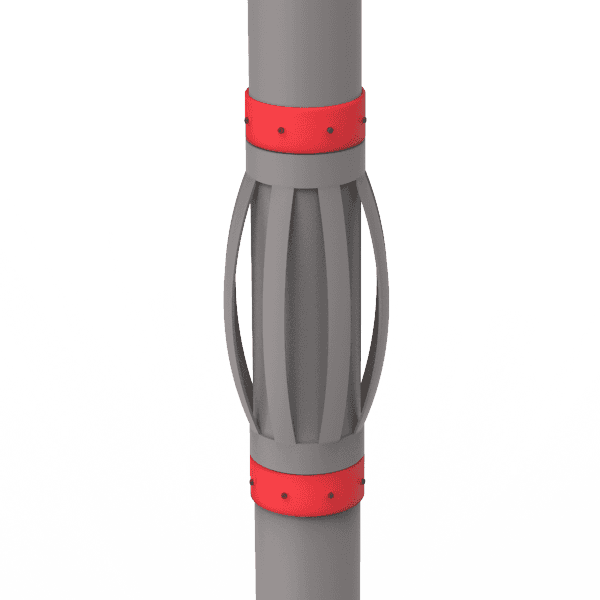
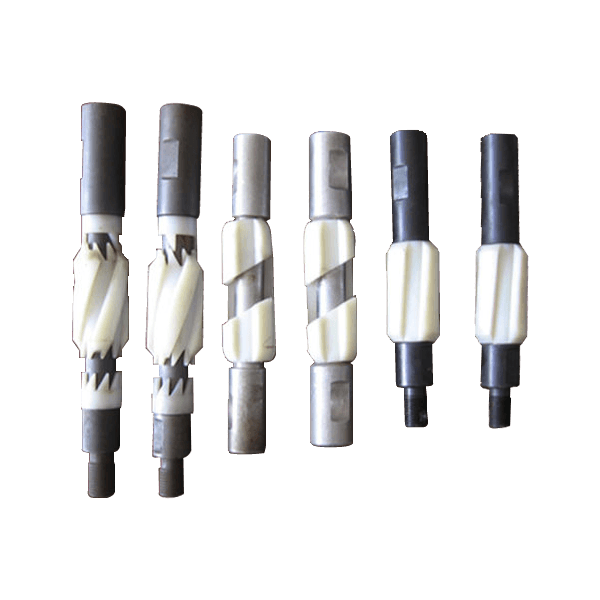
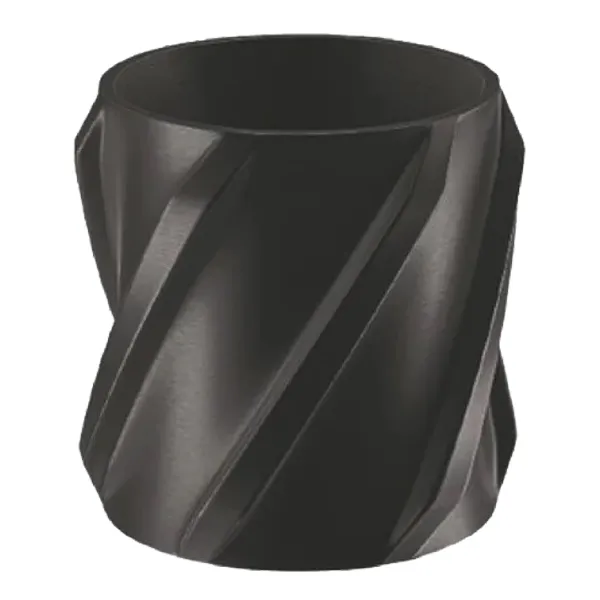
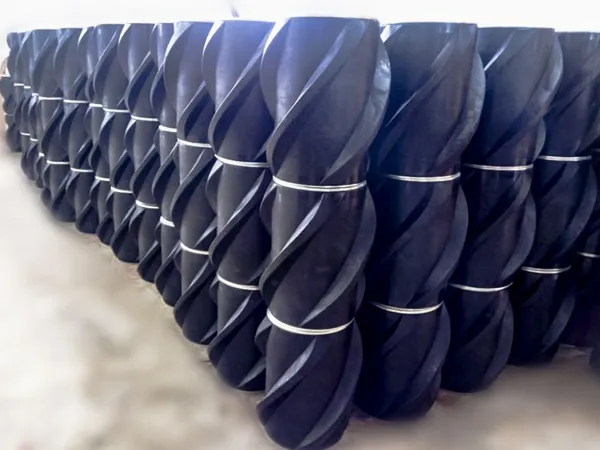
The rubber centralizer is an essential downhole tool accessory used in drilling, cementing, and well completion operations. During the running-in process, it utilizes the supportive force of rubber blades to counteract the casing's self-weight and lateral pressure from the wellbore wall, keeping the casing centered in the wellbore and ultimately enhancing cementing quality and wellbore sealing integrity.

Installed on the outer surface of the casing, the rubber centralizer leverages the flexibility and resilient recovery of elastomeric materials to accommodate variations in wellbore diameter across different formation conditions. Additionally, it reduces frictional resistance during casing running, minimizes operational risks, and improves cementing quality.

Features

  • Lightweight. Compared with rigid centralizers made of galvanized alloy, cast aluminum alloy or cast steel, rubber centralizers are significantly lighter, reducing the overall load during casing running operations and lowering energy consumption of lifting equipment.
  • Low friction coefficient and excellent self-cleaning capability. The unique helical blade design produces a "scraping" effect during casing running, effectively removing mud residue adhered to the wellbore wall.
  • Excellent high and low temperature resistance and corrosion resistance. The rubber material operate reliably across a broad temperature range (–40 °C to +250 °C) and resist degradation from oil-based mud, brine, and acidic fluids.
  • Adaptablility to complex wellbore conditions. Featuring inherent conformability, rubber blades deform elastically to maintain continuous contact with the borehole wall — even in enlarged or washed-out sections, doglegs, or irregular zones — ensuring consistent centralization regardless of wellbore geometry.
  • Excellent impact and wear resistance. Reinforced formulations deliver superior toughness and tear strength; resistant to cracking, chunking, or delamination — even under high-impact conditions in deep wells or abrasive formations.

Selection Guidelines

  • Vertical wells (<3000 m, conventional oil wells): Low friction and low cost are required. Integral rubber centralizers are made of NBR, with a friction coefficient ≤ 0.4, and 30%–50% lower cost.
  • Deviated wells (2000–4000 m, medium-deep wells): It requires Resistance to eccentric wear and high-temperature resistance. Steel-reinforced rubber centralizers are made of HNBR + low-carbon steel, providing 15%–20% elastic restoring force and 180 °C temperature resistance.
  • Horizontal well (horizontal section >500 m): It requires self-adjusting outer diameter and cuttings-scraping capability. Expandable rubber centralizers made of TPE/TPU offer 50–100 mm expansion and 98% centralization success rate.
  • Sour gas well (H2S > 0.1%): It requires corrosion-resistant and aging resistance. Steel-reinforced rubber centralizers made of FKM and 316L stainless steel can resist sulfur immersion for 30 days without aging.
  • High-temperature ultra-deep well (>4000 m): It requires high-temperature and high-pressure resistance, with no permanent deformation. Steel-reinforced rubber centralizers made of FFKM + stainless steel withstand 320 °C and > 50 MPa pressure.

Packer Rubber Element

HN-W CWC mesh dimensional drawing DWT-02-PR

Packer Rubber Element

DWT-02-PR

The packer rubber element is the core sealing component of a packer. Installed between the packer’s metal housings, it expands radially through hydraulic actuation, mechanical compression, or temperature changes, closely conforming to the inner wall of the casing or the borehole wall. This creates fluid isolation for designated well intervals and is widely used in zonal production, water injection, hydraulic fracturing, and workover operations. As a critical element ensuring zonal control and wellbore sealing, its performance directly determines the packer’s sealing reliability and service life. It must withstand demanding conditions such as high temperature, high pressure, corrosive media, and cyclic fatigue.

Features

  • High sealing reliability. Through expansion sealing, the wellbore is segmented into sections with varying pressures and media, enabling zonal production and zonal fracturing, and preventing fluid channeling between different well sections. Within the design pressure and temperature range, the sealing success rate can exceed 98%.
  • Excellent high temperature and high-pressure resistance. With material selection tailored to well conditions, packer elements are required to withstand –40 °C to 320 °C and 20–120 MPa, suitable for environments ranging from conventional wells to ultra-deep wells.
  • Excellent fatigue resistance. Using fatigue-resistant rubber formulations, the element can endure over 1,000 expansion–contraction cycles while retaining ≥ 70% of its sealing capability, making it suitable for repeated zonal fracturing and production testing operations.
  • Corrosion resistance to media. Materials such FKM and FFKM resist corrosive fluids including H2S, CO2, brine, and acidic fracturing fluids, preventing chemical degradation that could lead to seal failure.
  • Packer differential pressure capability. During fracturing and acidizing operations, the element withstands high-pressure fluids, prevents them from leaking into unintended well sections, and ensures that operating pressure is effectively delivered to the target formation.
  • Wellbore protection. During well workover operations, the element can isolate damaged well sections, prevent fluid overflow within the well, and keep workover fluids from contaminating productive zones.

Main Materials & Performance Indicators

  • NBR
    • Temperature and pressure range: -20 °C to 120 °C, 20–30 MPa;
    • Corrosion resistance: Resistant to oil-based mud and crude oil; not resistant to strong acids and alkalis.
    • Applications: Mainly used in conventional oil wells, medium- and low-temperature wells, and non-corrosive media wells.
  • HNBR
    • Temperature and pressure range: -40 °C to 180 °C, 30–70 MPa
    • Corrosion resistance: Resistant to oil, brine, and mild acids/alkalis; excellent aging resistance
    • Applications: Mainly used in medium and deep wells, high-temperature oil wells, and brine-producing wells.
  • FKM
    • Temperature and pressure range: -20 °C to 250 °C, 50–100 MPa
    • Corrosion resistance: Resistant to strong acids/alkalis (e.g., H2S, CO2), oils, and solvents
    • Applications: Mainly used in deep wells, ultra-high temperature wells, and corrosive gas wells (e.g., sour gas)
  • FFKM
    • Temperature and pressure range: -20 °C to 320 °C, 70–120 MPa;
    • Corrosion resistance: Resistant to nearly all downhole media, including strong oxidizers and strong acids
    • Applications: Mainly used in ultra-deep wells (well depth > 6000 m), ultra-high temperature wells (temperature > 250°C), and wells with extreme corrosion environments

Rubber Cementing Plug

Rubber cementing plug against a white background DWT-03-RCP

Rubber Cementing Plug

DWT-03-RCP

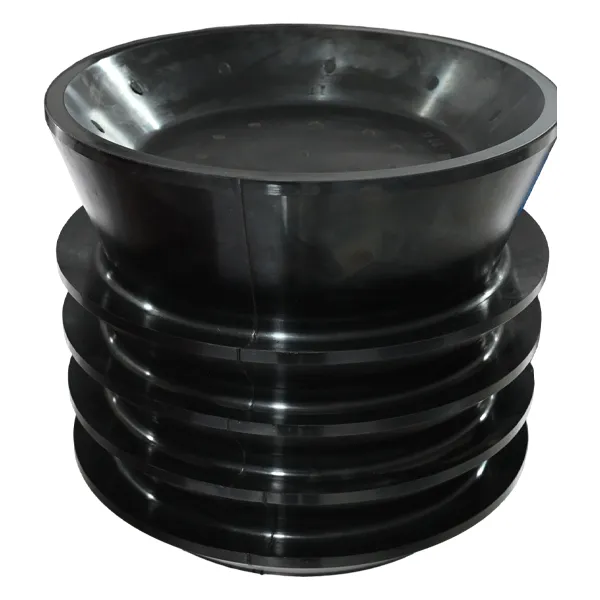
The rubber cementing plug is a rubber component used in cementing operations to isolate cement slurry from drilling fluid and to push the cement slurry into the annulus between the casing and the borehole wall. It is classified into top plugs and bottom plugs, installed respectively above and below the cement slurry column. With the sealing capability of rubber and the support of a rigid core mandrel, the plug ensures zero contamination and zero residual slurry during displacement, thereby guaranteeing cementing quality. The cementing plug must precisely match the casing inner diameter and withstand the displacement pressure and frictional resistance during cementing operations. After the operation, it can be removed by drilling or milling.

Features

  • Excellent isolation. Effectively isolates cement slurry from drilling fluid, preventing mixing that would weaken the cement sheath. Isolation success rate is >99%.
  • High displacement efficiency. While traveling inside the casing, the plug pushes the cement slurry completely into the annulus, minimizing residual slurry on the casing inner diameter. Displacement efficiency can exceed 95%.
  • Wear-resistant and impact-resistant. It is capable of withstanding the frictional resistance against the inner wall of the casing and pressure fluctuations during displacement without cracking or deformation.
  • Operation endpoint indication. When the bottom cementing plug lands on the float shoe and the top cementing plug bumps the bottom cementing plug, pump pressure rises sharply, providing a clear signal that cement displacement has been completed and preventing over- or under-displacement.
  • Cement slurry backflow prevention. After the operation, the cementing plug is set at the float collar or float shoe position to block cement slurry from flowing back into the casing, ensuring the cement slurry fully solidifies in the annular space.

Main Materials & Performance Indicators

  • Conventional rubber cementing plug
    • Material: Rubber sealing sleeve (NBR/HNBR) + metal mandrel (low carbon steel)
    • Temperature range: 50 °C to 180 °C
    • Sealing pressure: 15–30 MPa
    • Applicable casing inner diameter: 114.3–244.5 mm
  • Dissolvable rubber cementing plug
    • Material: Dissolvable rubber (modified polycaprolactone elastomer)
    • Temperature range: 60°C to 200 °C
    • Sealing pressure: 10–25 MPa
    • Dissolution characteristics: Dissolves in 3–30 days, with no solid residue and non-corrosive dissolution products
    • Applicable casing inner diameter: 114.3–177.8 mm
  • Available models:

    Main sizes: 4-1/2", 5-1/2", 7", 7-5/8", 8-5/8", 9-5/8", 10-3/4", 13-3/8"

Wiper Plug / Drill Pipe Darts

Wiper plug drill pipe dart against a white background DWT-04-WPD

Wiper Plug / Drill Pipe Darts

DWT-04-WPD

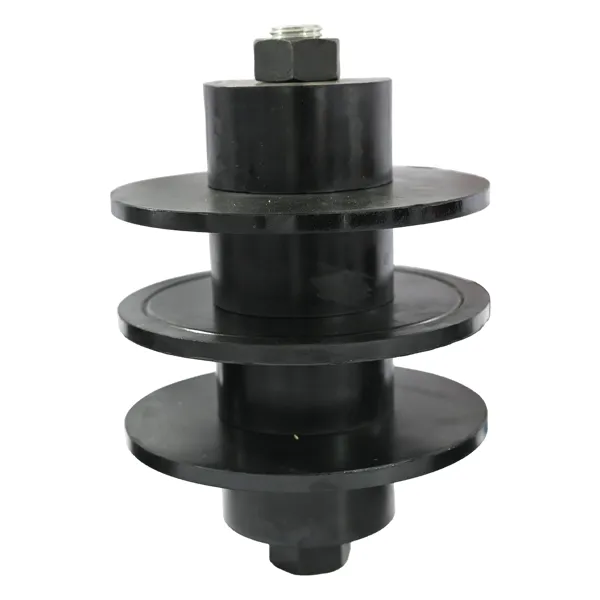
The wiper plug / drill pipe dart is a rubber sealing component used in drilling operations to isolate drilling fluid inside the drill pipe from cement slurry (or workover fluid), preventing internal fluid migration within the drill pipe. Installed in the inner groove of the drill pipe joint, it achieves sealing at the tool joint through elastic deformation of the rubber.

It fits flush with the drill pipe inner diameter without interfering with normal drilling operations, while withstanding internal circulation pressure and fluid erosion. It is suitable for drill-pipe cementing, drill-pipe workover, and drill-pipe testing operations.

Features

  • Embedded installation. The rubber plug is embedded in the inner groove of the drill pipe joint. After installation, it does not protrude into the inner wall of the drill pipe, ensuring unobstructed up or down movement of downhole tools and drilling fluid circulation.
  • Excellent self-sealing performance. The plug achieves self-sealing through differential fluid pressure — the higher the pressure, the better the seal effect. Within the design pressure range, leakage is eliminated, with sealing reliability >99.5%.
  • Wear and fatigue resistance. The rubber body is modified for abrasion resistance and can withstand frictional wear during drill pipe rotation; The check valve core and spring exhibit long fatigue life, maintaining normal operation after 10,000+ opening and closing cycles.
  • Medium corrosion resistance. HNBR/FKM materials resist corrosion from oil-based drilling fluid, brine, and acidic fluids; they deliver extended service life in sour wells and brine wells, with no aging or swelling issues.
  • Typical applications. It prevents well fluids from backflowing into the drill pipe during tripping operations; isolates test fluids from drilling fluid during drill pipe testing operations; provides sealing for drill pipes in deep wells containing high-pressure fluids.
  • Fluid isolation inside the drill pipe. During drill pipe cementing operations, it isolates the cement slurry inside the drill pipe from the drilling fluid to prevent dilution of the cement slurry, thereby ensuring stable slurry performance; During drill pipe testing operations, it isolates test fluids from drilling fluid to prevent interference with test data.

Self-Sealing Rubber Core

Self-sealing rubber core against a white background DWT-05-SERC

Self-Sealing Rubber Core

DWT-05-SERC

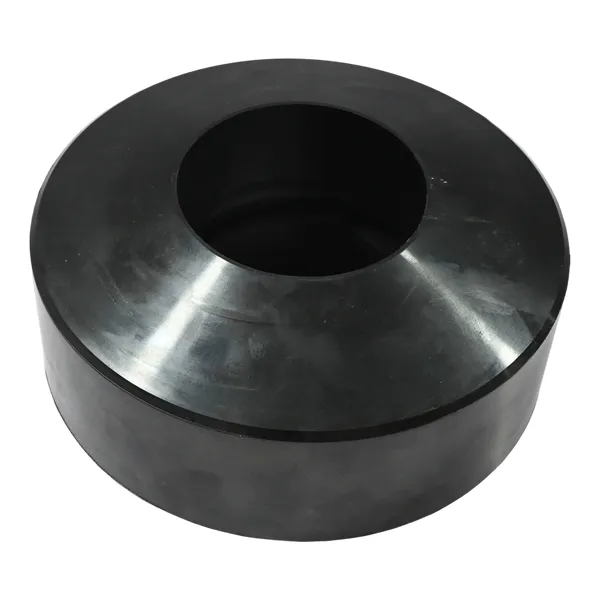
The self-sealing rubber core is a key sealing element made primarily of rubber and designed to provide automatic sealing capability. With the excellent elasticity, medium resistance, and deformation recovery properties of rubber, it can autonomously seal gaps under pressure differentials or physical compression, effectively preventing medium leakage. The performance of this component directly impacts equipment safety, operational stability, and service life.

The self-sealing rubber core pass through various tubing, drill pipes, and downhole tools, making it suitable for sand flushing, drill-out operations, and routine tripping. It also prevents small objects from falling into the well.

Features

  • Automatic sealing. Relying on rubber’s inherent elasticity, the core conforms to the sealing surfaces to form an airtight space. No bolts, O-rings, or auxiliary parts are required during connector insertion/removal or equipment start/stop, the system seals automatically.
  • High pressure resistance. Designed to withstand extremely high wellhead pressures, the self-sealing rubber core maintains effective sealing even under high pressure, preventing gas or liquid leakage. Its superior pressure resistance makes it suitable for deep wells, ultra-deep wells, and deepwater oil and gas production, where it remains stable and reliable even under extreme high downhole pressures.
  • Long-lasting sealing reliability. With excellent elastic recovery, the rubber maintains a tight fit over long service periods, reducing leakage risks caused by seal degradation. This makes it ideal for applications with high requirements for sealing stability.
  • Rapid self-reseal capability. Its special design allows the core to quickly restore its sealing state after deformation, preventing sudden leakage. This significantly enhances equipment operational safety, especially in situations with dramatic changes in pressure or environmental conditions, avoiding accidents caused by seal failure.
  • High-temperature resistance and corrosion resistance. Oil and gas wells often operate in high temperatures (typically -40 °C to 120 °C) and highly corrosive environments. The self-sealing rubber core is made of high-temperature-resistant rubber and composite materials, enabling it to withstand attacks from various corrosive substances (such as acids, hydrogen sulfide, etc.), making it suitable for diverse well conditions and extending service life.
  • Wear resistance. Since downhole environments involve intense physical friction, composite self-sealing cores typically exhibit strong wear resistance. Whether during drilling operations or other heavy-duty operations, the core withstands abrasion and maintains a long-term reliable seal.

Maintenance and Replacement Key Points

  • Easy replacement: Owing to the simple overall structure of the blowout preventer, replacing the rubber sleeve only requires disassembling the top circular compression plate, without the need to disconnect the entire blowout preventer from the wellhead flange, thus saving time and effort. For quick-change blowout preventers, the upper part is designed with a threaded compression plate, allowing for rubber sleeve replacement by simply removing the compression plate.
  • Regular inspection and replacement: During operations, periodically check the rubber sleeve for excessive wear, cracking, aging, or other issues. If the inner diameter enlarges due to wear and can no longer grip tightly, or if the sealing surface is damaged and causes leakage, the rubber element must be replaced promptly to ensure operational safety.

Application & Others

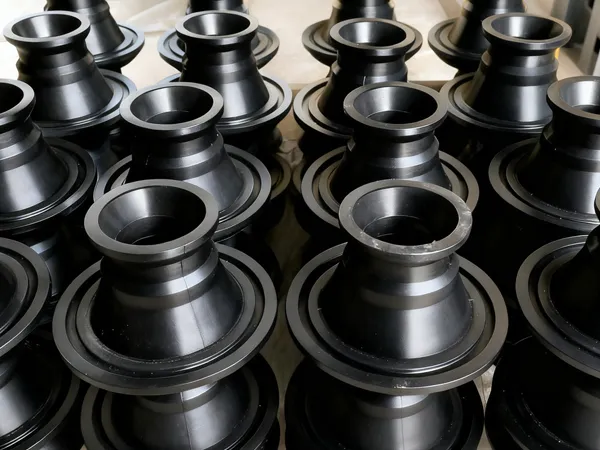
Neatly stacked rubber centralizers
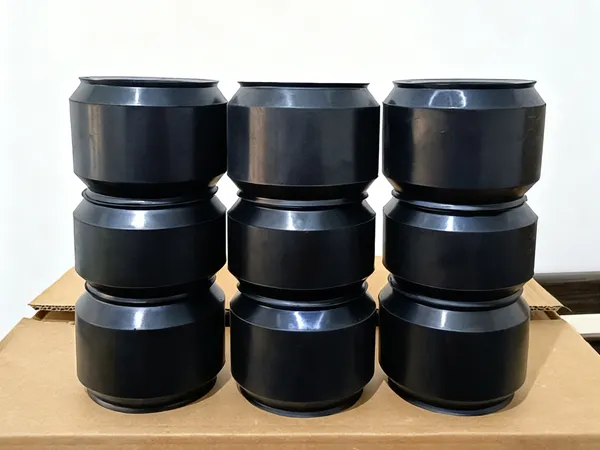
Packer rubber elements stacked on packing boxes
Rubber cementing plugs in different colors
Self-sealing rubber cores stacked on the ground

Отправить сообщение

Если вам нужно проконсультироваться с ценой, обратитесь в бизнес-отдел по электронной почте: sales@drinol.com

Когда вы свяжетесь мы, пожалуйста обеспечьте ваши требования к детали. Это поможет нам дать вам действительную цитату.

Вверх